Client: Free and Hanseatic City of Hamburg
Project period: 2024 – 2025
The project in brief
In a dense and lively city like Hamburg, interests collide directly: clubs and bars meet quiet times, streams of tourists meet the limits of the city, neighborhood culture meets neighborhoods. This is precisely where the “Nightlife & Neighborhood” round table of the Ministry of Culture and Media comes in – as a space in which conflicts can be openly addressed and jointly resolved.
We at Stadtmanufaktur design the content and coordinate the implementation of the round table. Our goal: a solution-oriented communication culture that makes the social relevance of night culture visible, defuses conflicts and strengthens respectful coexistence in urban areas.
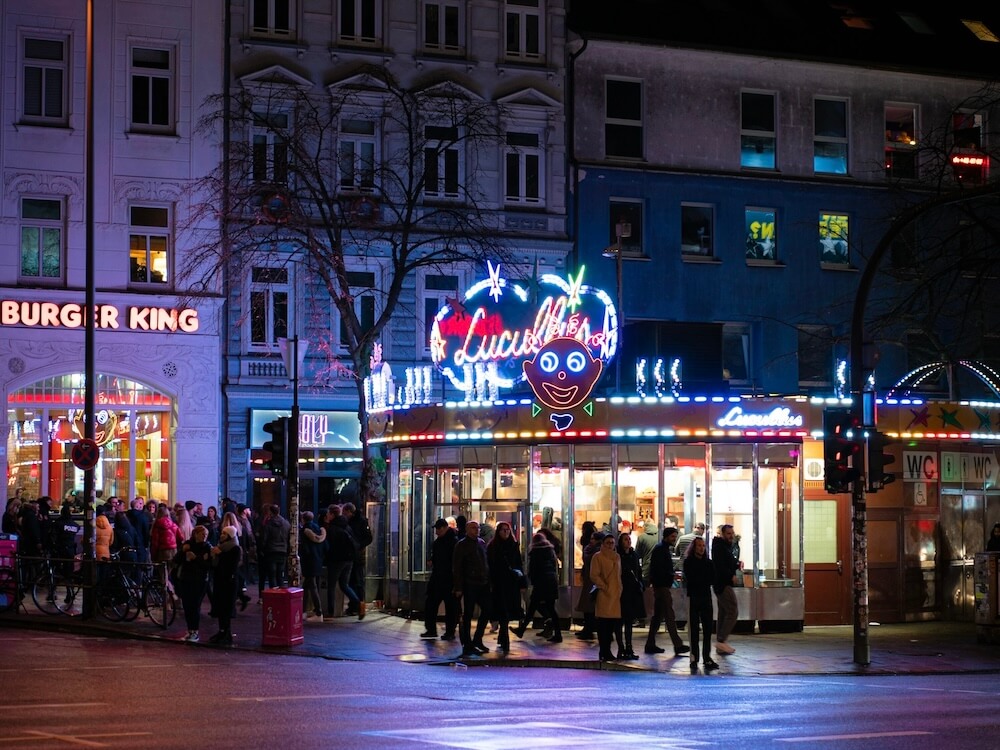
People celebrating on Spielbudenplatz in St. Pauli – a typical picture of Hamburg at night
Task and background
Hamburg’s nightlife is a cultural engine, economic factor and anchor of identity – and a constant negotiation of needs and interests. With the “Nightlife & Neighborhood” round table, the Ministry of Culture and Media is constructively addressing the areas of tension between business and neighborhood. Not with symbolic politics, but with structured dialog and binding agreements.
We were commissioned:
- to steer the working groups (WGs) of the Round Table in terms of content and organization,
- identify and involve relevant stakeholders from administration, nightlife, tourism, local residents and civil society,
- to jointly develop communication strategies for better cooperation in Hamburg’s nightlife.
A clear stance is particularly important to us: nightlife culture is not a disruptive factor, but part of a vibrant, sustainable city. At the same time, we take the perspectives of the neighborhoods seriously and translate needs, conflicts and opportunities into joint action.
Our way of working
Structured working groups and clear processes
The various working groups are the heart of the Round Table. We ensure that open debates are turned into concrete solutions:
- Structured moderation of the working group meetings
- Clear objectives, agenda and work assignments for each meeting
- Careful protocols and documentation
- Comprehensible preparation of the results for the steering committee
This defuses conflicts and enables agreements that serve as a basis for political decisions.
Active stakeholder management – all relevant voices at the table
We believe that cities can only work together. That is why we attach great importance to strategic stakeholder management. This includes in this project:
- Identifying and addressing relevant stakeholders from district offices, specialist authorities, initiatives, institutions, clubs, culture, night-time economy, local residents and civil society
- Participant management, organization and follow-up of meetings
- Establishing reliable communication channels between the parties involved.
It is important to us that clubs feel seen in the same way as neighborhoods – and that the administration acts not only as a rule-maker, but also as a creative partner.
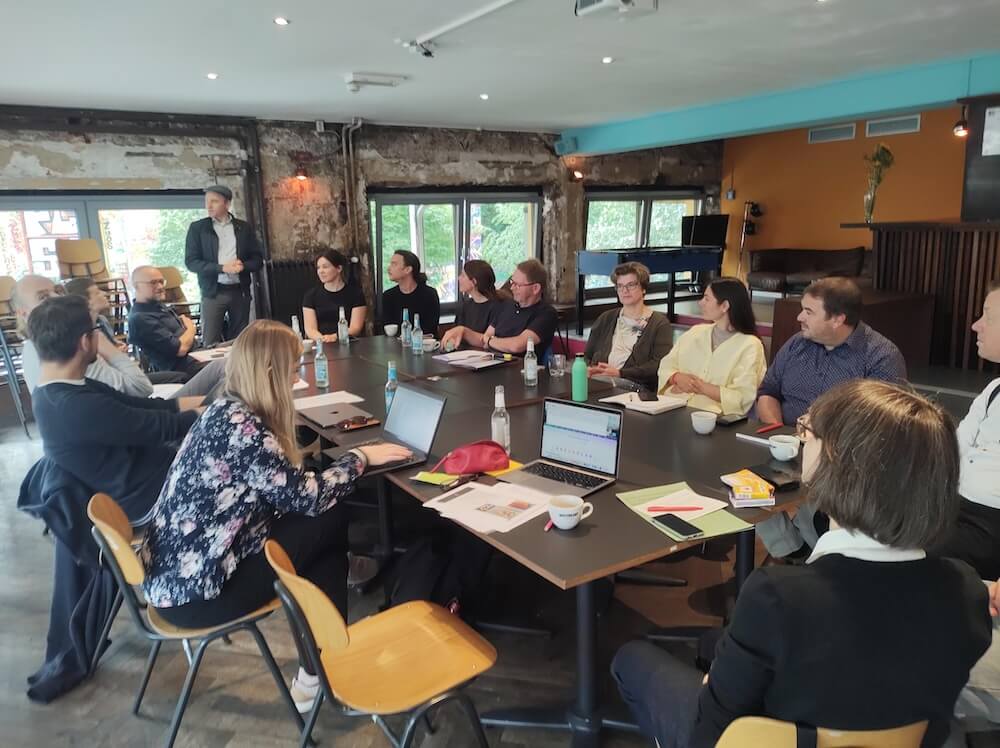
The “Communication” working group at the (square) round table
Communication strategies for the night culture – solution-oriented and respectful
Conflicts in nightlife are often communication conflicts. That’s why we develop communication modules together with the working groups, for example:
- Campaign ideas and dialog formats
- Target group-specific approach to neighborhoods, visitors and urban society
- Ideas for addressing the media and communicating the social significance of night culture
We report regularly to the steering committee, coordinate closely with the Ministry of Culture and Media and ensure that proposals are realistic, feasible and can be implemented.
Local roots – we work in and with Hamburg
Our office is located in Hamburg, our everyday life takes place in the middle of this city – this shapes our view of the project. We know the issues not only from reports, but also from direct perception in the urban space.
With Julia Staron as project manager, we are also bringing in strong local expertise: As a district manager in the BID+ Reeperbahn, she is closely networked with stakeholders in nightlife culture, initiatives, administration and the neighborhood. This dual role – strategic process support and in-depth neighborhood knowledge – helps us to understand tensions and develop viable solutions.
The result
For us, this project is more than just a mission: the “Nightlife & Neighborhood” round table is a contribution to the further development of our home city of Hamburg so that it remains vibrant and worth living in – both day and night. We make sure of that:
- First agreed implementation steps in the working groups: concrete communication measures and jointly supported solutions for conflict situations in Hamburg’s nightlife.
- Anchoring the dialog through regular meetings and clear process structures: a continuous process of understanding is created from occasional exchanges.
- Greater understanding of the social relevance of night culture in administration, politics and urban society.
- Close cooperation across sector boundaries: district offices, specialist authorities, initiatives, clubs, cultural institutions and neighborhoods work together constructively.
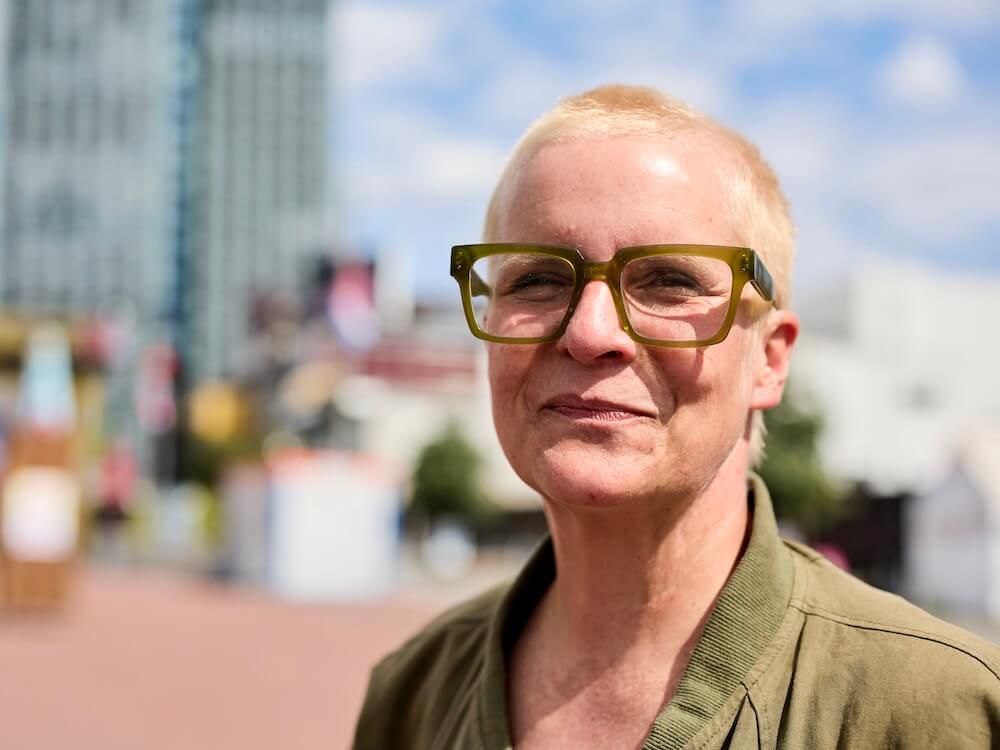
“Hamburg will not become quieter by pushing back night culture, but by talking to each other better. Our aim is to create a coexistence in which the district, neighborhood and urban society can breathe at the same time.”
Image credit: Stadtmanufaktur, Unsplash, schaeferfoto.com (Julia Staron)