CONTENT
Why we need to talk about the future of our city centers
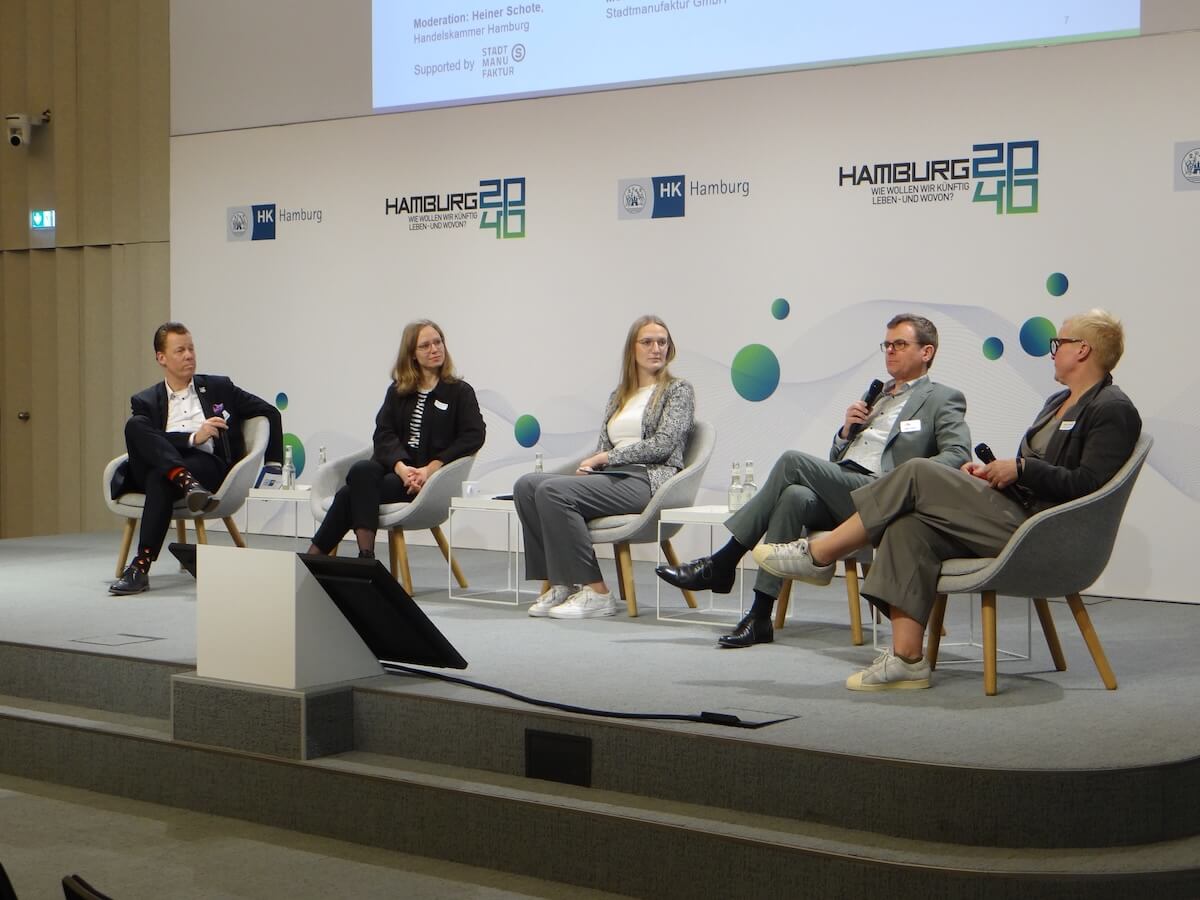
Stucco facades, high ceilings, countless columns – the Hamburg Chamber of Commerce shows its best side on Friday, March 6, 2026, when around 80 participants attend the Forum CitySpaceFuture arrive. Many of the speakers and guests don’t even need the name badges and hug each other directly to greet them – they already know each other.
Because they all have something in common: whether from place marketing, urban development, culture, tourism, business or politics – the decision-makers the decision-makers are here to talk about the future of our cities.
The Forum StadtRaumZukunft will take place for the first time in 2026 – on the initiative of the Hamburg Chamber of Commerce and in cooperation with Stadtmanufaktur. In 2 keynotes, a panel discussion and 6 workshops, decision-makers from Germany and Austria will exchangeideas :
- how urban development succeeds in the face of transformation, conflicts of use and rising expectations, and
- what role place marketing plays in this.
The place marketing conference will be moderated by Stadtmanufaktur project managers Julia Staron and Laura Ebeling as well as Heiner Schote and Marcus Troeder from the Hamburg Chamber of Commerce.
Abstract:
How can urban development succeed in times of transformation, conflicts of use and rising expectations? How do place marketing, politics and co. cooperate in a future-proof way? These questions were the focus of the StadtRaumZukunft forum on March 6, 2026 at the Hamburg Chamber of Commerce. Finnja Korn summarizes the most important impulses and findings of the place marketing conference for you.
Keynotes: The central roles of place marketing
The sun is shining, the welcome follows: Axel Kloth, Vice-President of the Hamburg Chamber of Commerce, opens the StadtRaumZukunft 2026 forum, in which he appeals for interdisciplinary cooperation: ” Only in cooperation can place marketing fulfill the key role of making our cities liveable spaces for residents and tourists,” says Kloth.
“All players must work together to ensure that place marketing fulfills its key role.”
Insights and construction fence stories from Vienna
In the first keynote speech of the day, Anita Bock from the Vienna Chamber of Commerce explains how the City of Vienna is already succeeding in this collaboration. For her, working with and in networks is particularly important. She also talks about a problem that should be familiar to many city dwellers: Construction sites due to subway construction.
In Vienna, building site fences block the view of stores and shop windows. To ensure that traders do not suffer any disadvantages as a result, Vienna has developed several formats to keep businesses in touch despite the construction sites. For example, there are recurring construction site meetings and the companies were involved in the design of the construction site fences.
One sentence from Bock is particularly memorable. Regarding communication with stakeholders within cities, the expert from Vienna warns: “The worst thing you can do is nothing.”
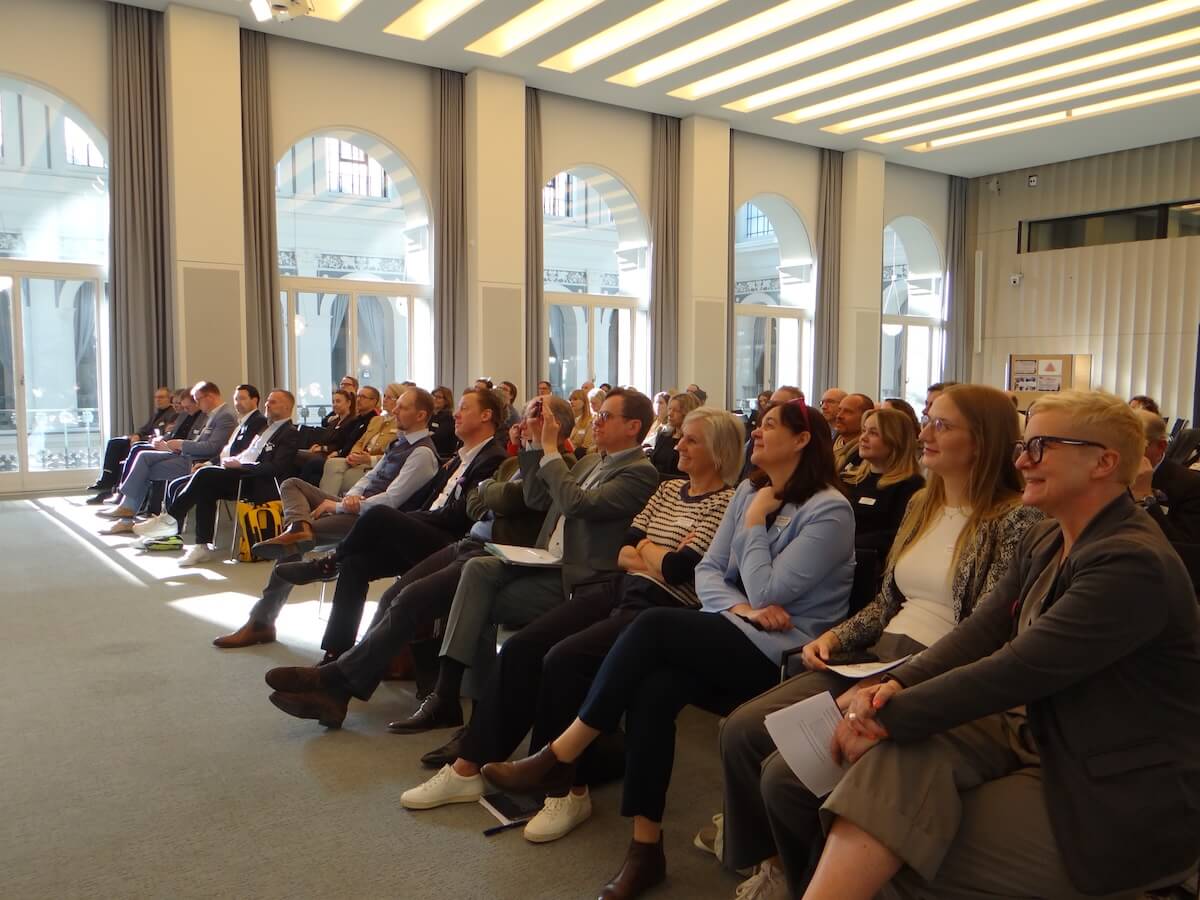
The Forum StadtRaumZukunft shows how it’s done: All city decision-makers sit in one room
Digitization strategy – yes, but how?
After this first insight from Vienna, Gerald Babel-Sutter, Managing Director of Urban Future, takes the mic for a thought experiment. “Imagine that as you try to become more efficient, more and more tasks land on your desk. Actually, your tasks should be the ones that are burning in the city right now. But they’ve been lost in the quest for efficiency.”
A real-life example. Because Babel-Sutter tells us in his keynote speech, that only 25 percent of cities have a digitalization strategy. And only three percent have actually implemented this strategy. So there is a big discrepancy between the pursuit of efficiency and functioning efficiency.
What distinguishes cities in which the transformation is successful from others? Gerald Babel-Sutter has the following answers:
- Cities that successfully transform themselves also adapt their administrative structures.
- They take the risk of making mistakes and see them as part of the process as long as everyone learns something from them.
- Administration and co. really work together. This also means translating between administration and companies so that they can communicate with each other at all.
“Everyone talks about how we have to work together. But very few of us can.”
According to Gerald Babel-Sutter, investing in collaboration in particular is a good starting point for all stakeholders. It is also important to understand place marketing as a central player. This is because it helps to develop and pursue objectives for cities. And these clearly defined goals can in turn be used to create an effective brand.
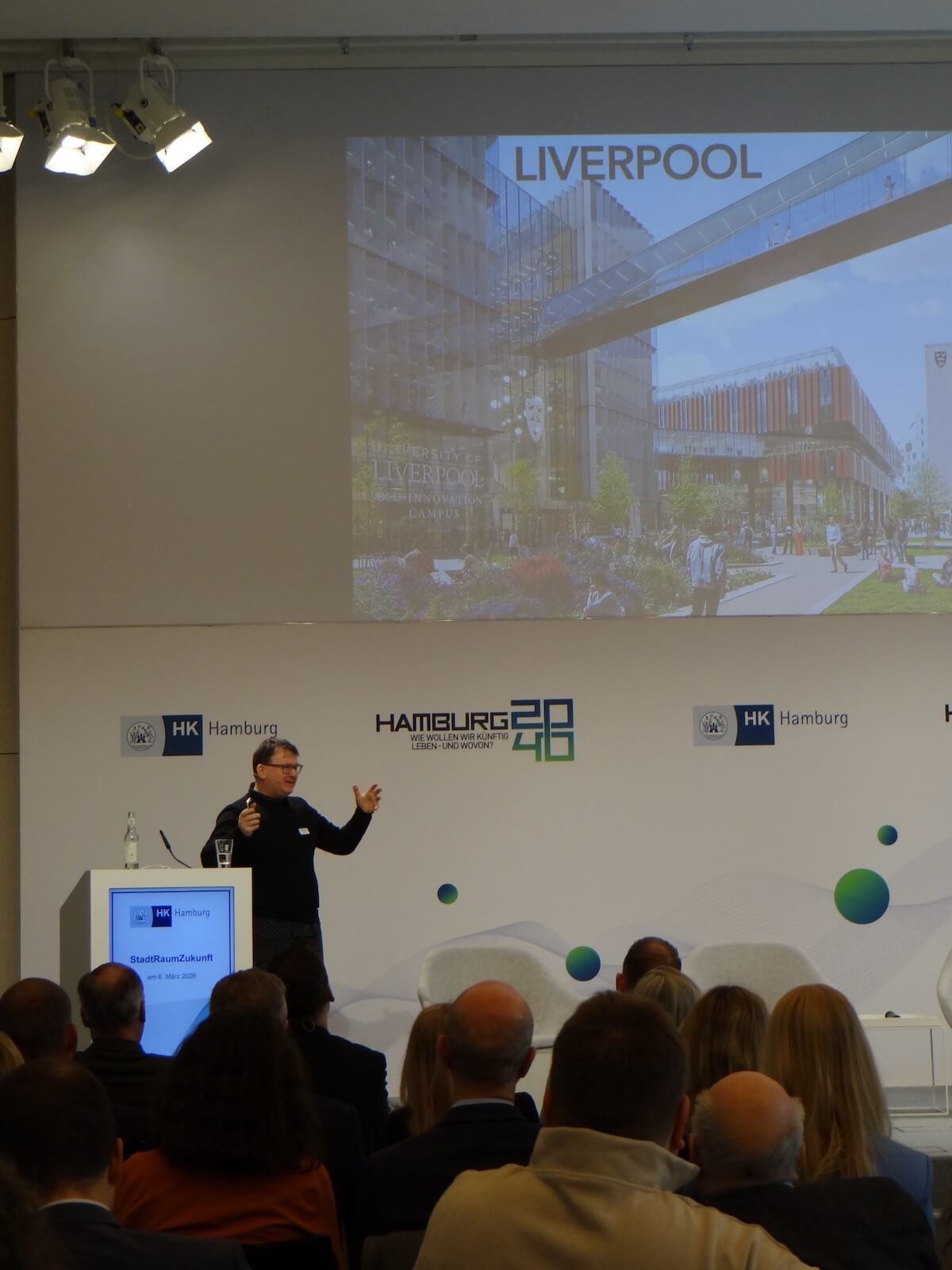
Anita Bock and Gerald Babel-Sutter agree: more communication is needed in and from the administration
Panel discussion with insights from Bitburg, Lübeck and Hamburg
In the subsequent talk, Bitburg’s mayor Heiko Jakobs appears digitally on the screen. Jan Lindenau, Mayor of Lübeck, Gerald Babel-Sutter and Gesa Hastedt from the Hamburg Chamber of Commerce will also be physically on stage.
Bitburg and Lübeck: city brands by tradition
In the talk, it becomes clear that urban development and place marketing must be understood as team play in order to politically legitimize and communicate decisions . Only then will these decisions be supported by urban society.
Jan Lindenau explains that Lübeck has even explicitly responded to the citizens’ demands when it comes to the city brand. For years, the city had tried to unite two positioning of the city under one brand (Lübeck and Travemünde). Many citizens did not identify with this brand and did not accept it. In order to do justice to both positionings, the city ultimately developed two brands: the seaside resort of Travemünde and the Hanseatic City of Lübeck. Because: “If the brand is not in people’s DNA, it will not be successful,” says Lindenau, summarizing this experience.
“With the city brand, we listened to the citizens. Now there are two brands and it works really well.”
Heiko Jakobs from Bitburg shares the insight that a clearly defined brand also has its difficulties. Not everyone feels addressed by the “City of Beer”. The mayor is trying to develop the city brand beyond this with various campaigns. For example, there are no more walking tours in Bitburg, but there are Bit tours instead, so that the brand also appeals to less beer enthusiasts.
Even if Bitburg and Lübeck differ in their brands, they share one thing in common: they have used the tradition and history of their city for their city brand. In the words of Babel-Sutter: “This has a lot of potential.”
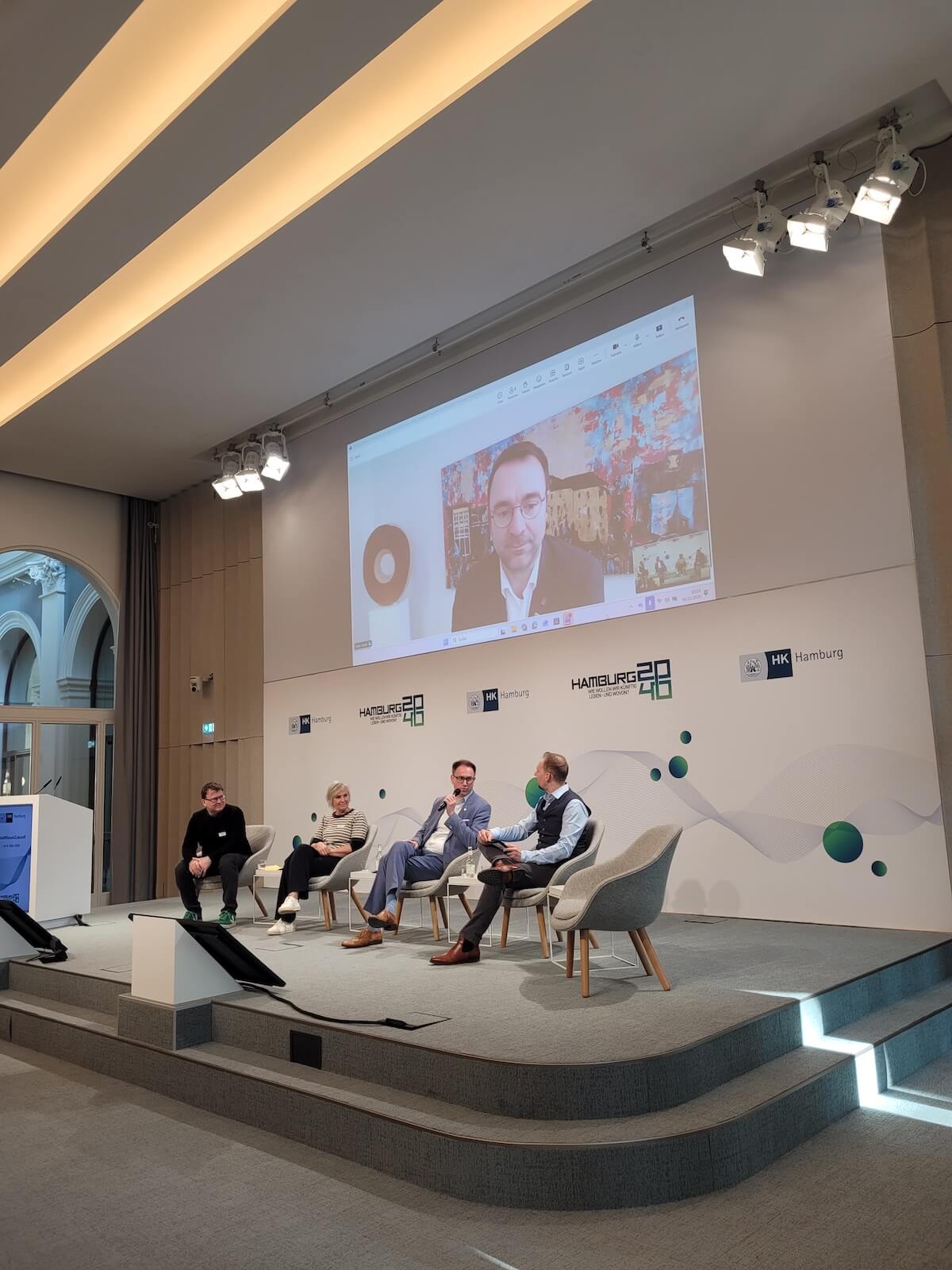
Building on what’s already there: Lübeck and Bitburg rely on tradition for their city brand
Administration means responsibility
To really think about place marketing together with urban development, you need more than just the brand. It needs a responsible administration with a clear and transparent approach. Bitburg and Lübeck are examples of how this can be done. In both cities, an e-mail address has been set up specifically for citizens to contact the city with their concerns and worries. In Lübeck, a guideline even stipulates that an initial response to every e-mail received should be sent within 48 hours.
Transparent and regulated responsibilities also offer the city of Hamburg an opportunity to position itself as a reliable point of contact, reflects Gesa Hastedt. What already works well in the Hanseatic city is the involvement of many players. A few years ago, the Ministry of Urban Development and Housing created an inner city coordination unit that is very active. The City Management Hamburg network has been helping to shape the city center for over 25 years. The various players are important because “growth and ideas only come about through exchange.”
Hastedt also emphasizes in the talk: ” Interdisciplinarity and diversity are a gift for the city.
From talk to practice: 5 ideas for your city
Our takeaway from the talk: Administration must be approachable. This requires clear responsibilities and uniform objectives. It is also important that a brand cannot be imposed on citizens. It only works if it draws on what is truly anchored in the city’s DNA.
We have summarized the 5 most important findings from the discussions and keynotes at the UrbanSpaceFuture 2026 forum for you:
Workshop sessions: Strategies for financing models, networks and investments
After a stopover for coffee, the first of two workshop sessions will take place in the morning : three workshops offer the opportunity to ask questions, find answers together and exchange views on real-life challenges, as well as providing expert input
Stable financing requires creative solutions
The first workshop will focus on new financing and partnership models between the public and private sectors. Projects and processes in centers and districts require stable financing that can also function outside of traditional funding logics. Franziska Dedekind from Otto Wulff Placemaking GmbH will provide an insight into the successful model of the Hamburg Business Improvement Districts. (Read more about the successful model of BIDs in Hamburg in this article by Julia Staron.)
Martin Knabenreich, Managing Director of Bielefeld Marketing GmbH, will provide further impetus. He presents partner models as a financing option.
In addition Isabell Köster from Stadtmanufaktur explains the urban funding model. After all, what we know from the corporate sector under the term crowdfunding can also be applied to cities.
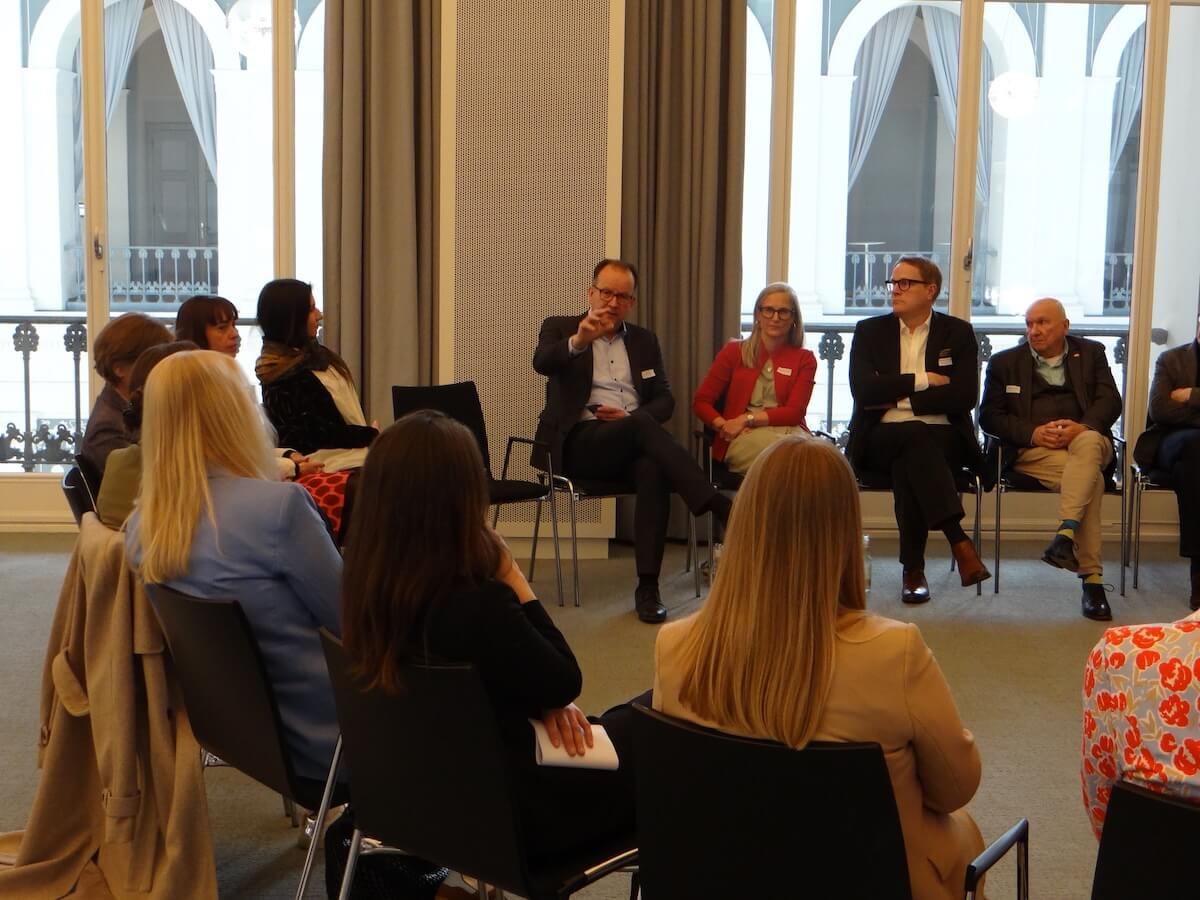
Martin Knabenreich from Bielefeld shares his experience of partner models in place marketing in the workshop
Actively manage touchpoints and stakeholders
In the next workshop, it becomes clear that stakeholders and networks can only be developed into multipliers with the right strategy. To this end Laura Ebeling from Stadtmanufaktur presents the effective principles of touchpoint management. The credo: Whether it’s a citizens’ portal or a city festival – city centers offer numerous points of contact for stakeholders and players. Through targeted management, the city brand and place marketing can be experienced at all these touchpoints.
Isabell Sollmann from Marketing Osnabrück GmbH will also report in the workshop on which stakeholders are relevant in Osnabrück – and Oliver Diezmann from Blankenese Interessen-Gemeinschaft e.V. will talk about which stakeholders need to be considered at district level.
“Because the touchpoints are distributed across different managers, they need targeted coordination.”
Making shareholdings more inclusive
Diverse and equitable urban development also means involving underrepresented groups more in participation. This is the topic of the third workshop: Dr. Oliver Märker from Zebralog GmbH explains that he pays particular attention to managing the expectations of the commissioning parties when it comes to youth participation.
And Thorsten R. Lange from the city of Buxtehude provides insights into the administration. One thing is clear: in order for underrepresented groups to take advantage of participation opportunities, trust must first be built up with them.
Heiko Fuchs from Scoutello presents a way of creating trust and breaking down barriers. The system he developed AI-supported digital guides can be programmed by cities to provide answers on specific topics and in up to 28 languages. This breaks down barriers in the urban space and enables a low-barrier city experience.
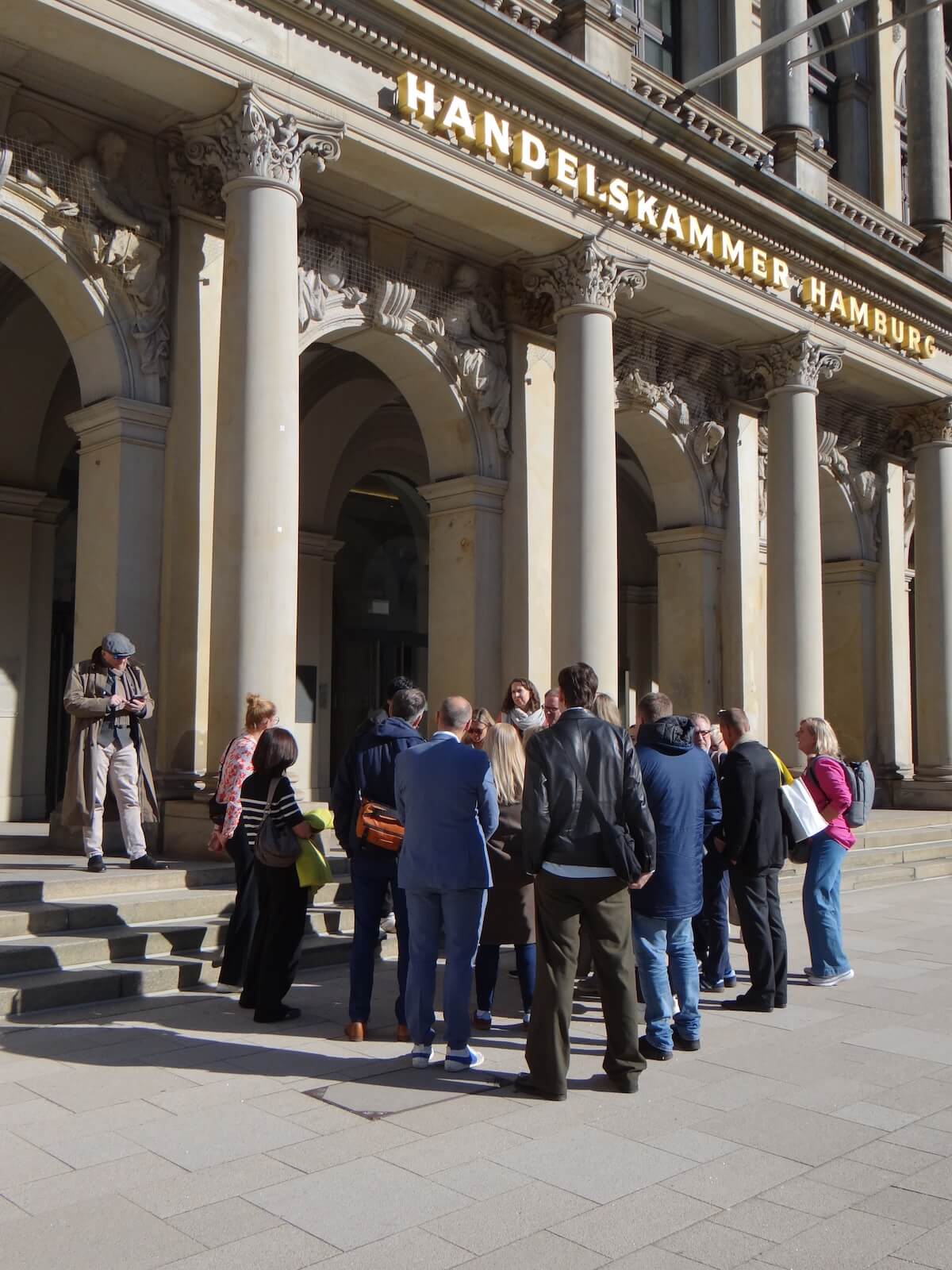
Spring fever in Hamburg: Lunch break incl. guided walk through the BIDs in the city center
From destination management to MICE marketing: What makes locations attractive?
After the lunch break and a walk through the city together, the second workshop session of the day will begin – and thus directly into implementation. Anna Bierig, Managing Director of STaRT – Stadtmarketing und Tourismus Reutlingen GmbH, will show how place marketing and destination management can be successfully combined.
Karmen Strahonja, Managing Director of Congressforum Frankenthal GmbH and First Deputy Chair of the bcsd, will also present the potential of MICE marketing. Through a clear positioning in the convention segment, decision-makers and multipliers come into contact with the city. This in turn makes MICE marketing a strategic control instrument for the city brand, says Strahonja.
Events as an instrument of urban development
Street festivals, sporting events and concerts: public events are not only a lot of fun, they are also an important tool for urban development (keyword: event strategy). The StadtRaumZukunft 2026 forum also offers a workshop on this topic:
Claus Hoffmann, Managing Director of Koblenz-Touristik GmbH and Koblenz-Stadtmarketing GmbH, explains how a city becomes a stage. But smaller events also have a big impact, as Verena Kiedaisch, Managing Director of Pro Ellwangen e. V., shows: they increase the quality of stay in urban areas and promote identification with locations.
“Events have an impact beyond their duration if they are properly planned and coordinated. Use the city as the stage that it is.”
Night-time economy: the potential of the 24-hour city
The sixth and final workshop deals with the complex topic of the night-time economy. The tenor of the discussion: the 24-hour city holds a lot of potential for developing districts beyond traditional economic areas into diverse and sustainable locations.
Insights from the field will be provided by: Boie Baumann, district manager of the Elbmeile Hamburg, Carolin Ringat, city center manager in Hanover, and Julia Staron, district manager in the BID Reeperbahn.
Kai Schulz from Clubkombinat Hamburg also shares the perspective of tradespeople from the cultural sector: ” In order to exploit the potential of the night-time economy, neighborhood management in cities must be seen as a location factor.
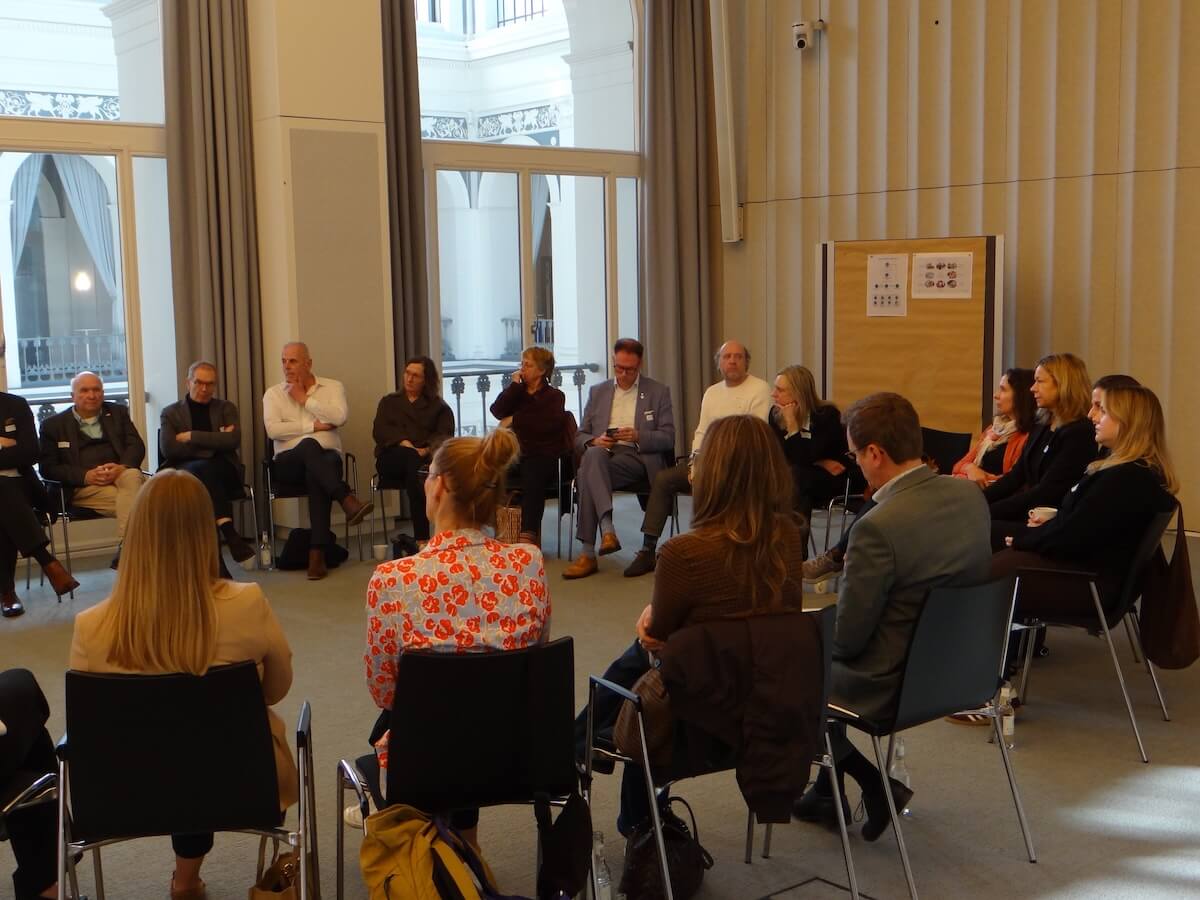
Forum StadtRaumZukunft: 2 workshop sessions with a total of 6 workshops offer plenty of space for exchange
Conclusion: Courage for more cooperation and transformation
With such a packed program, it’s no wonder that the day passes by at a rapid pace. At the end, all participants meet for a joint reflection and recapitulate what new ideas they have taken away, what has surprised them and where there is still a lot to do.
A key insight: The future of our cities will not be decided by individual projects. It will be decided by the courage to cooperate more and the willingness to shape transformation together.
Many thanks to the Chamber of Commerce for the organization, to all speakers for the impulses and to all participants for the inspiring exchange. We are looking forward to the Forum StadtRaumZukunt 2027: Take a look again!
Finnja Korn
jongliert gerne mit Worten rund um urbane Räume. Ihr Studium in Urban Design an der HafenCity Universität ist dafür die beste Übung