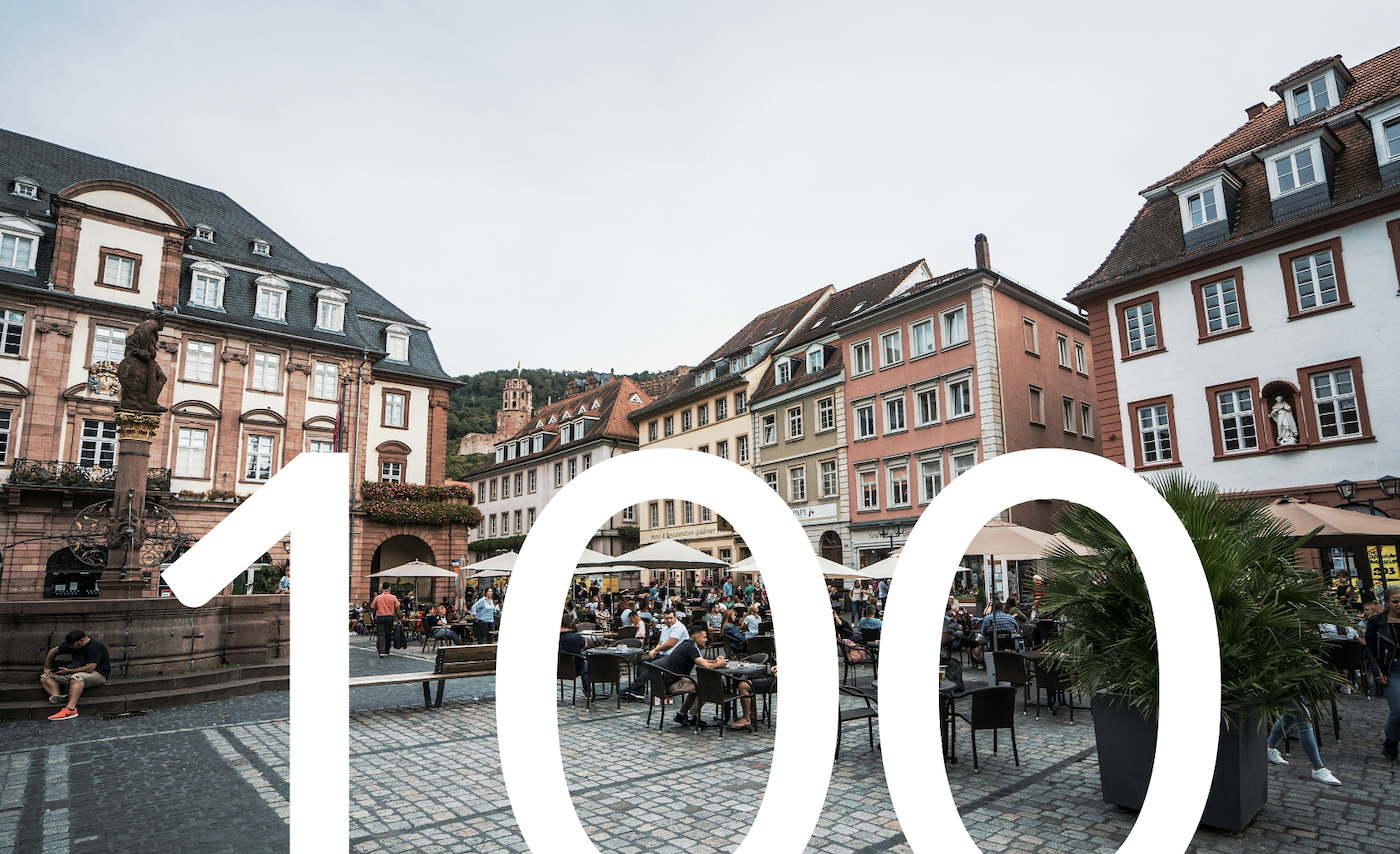
Following the 2026 municipal elections, new political majorities will face intense pressure to take action: the city centre, growth and transformation, mobility, tight budgets, and an increasingly fragile urban society. Sophie May explains what course local governments can set in their first 100 days—and how the STADTKOMPASS can help.

What does the Bridge of Avignon have to do with municipal financing? A great deal, says Isabell Köster, as she introduces “Urban Funding.” An innovative financing concept for times of tight budgets. Using examples from Innsbruck, Bielefeld, and Münster, the urban development expert demonstrates how Urban Funding works in practice.

Image vs. identity - what's the difference? Julia Staron uses the example of her home district of St. Pauli to show how cities and districts can find their identity and turn it into a strength. For more resilience, more attitude and more outward appeal.
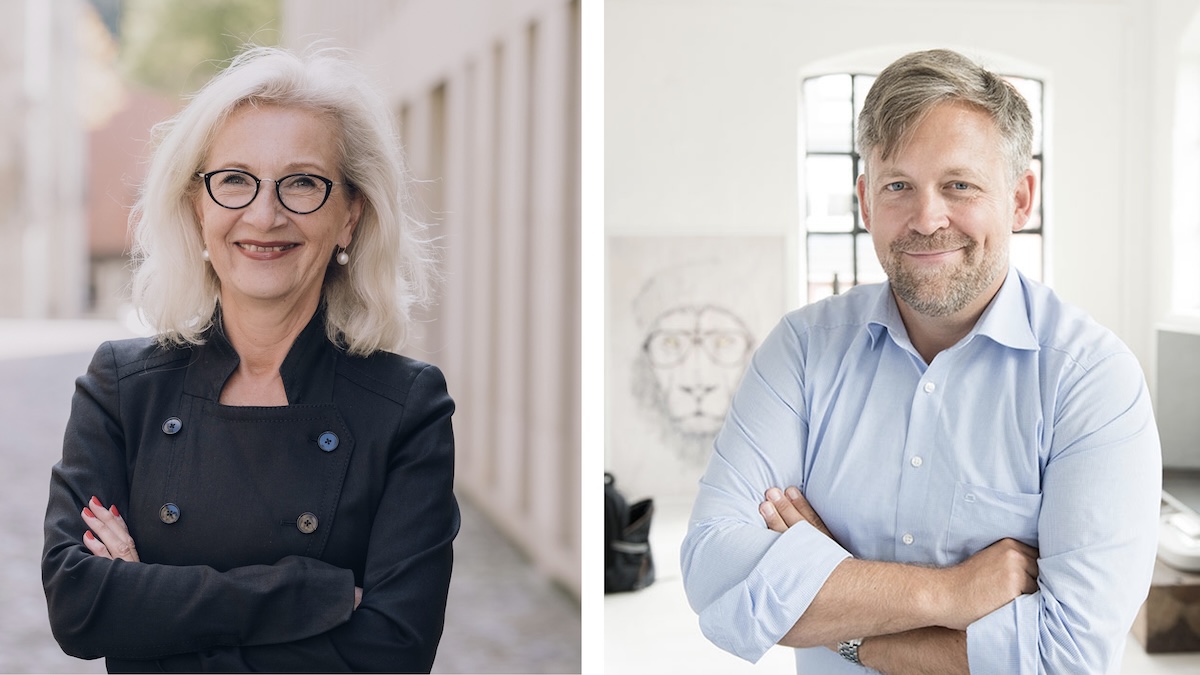
"Every city must now follow this path." Bernadette Spinnen and Thorsten Kausch discuss how cities can develop a forward-looking city profile - and turn it into a compass for administration, politics, city marketing and urban society.
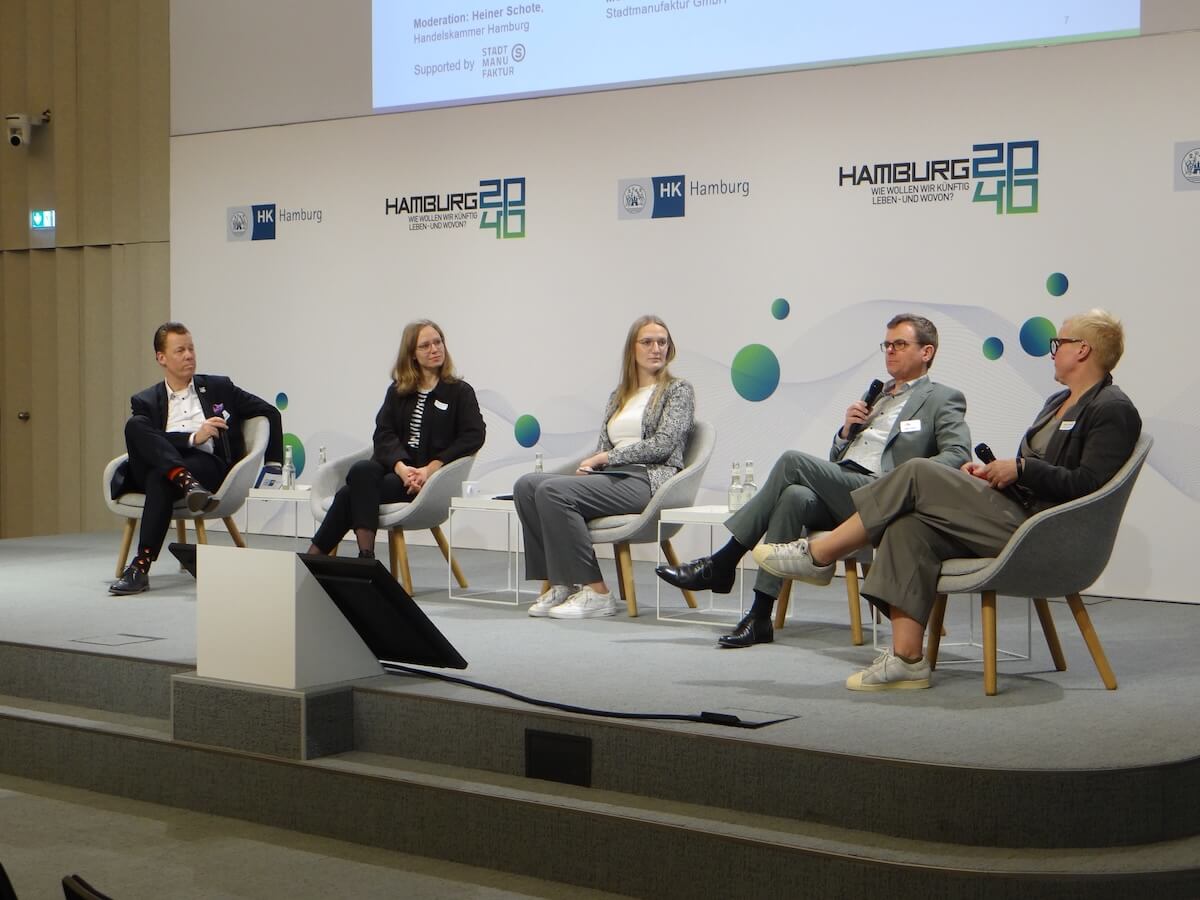
How does place marketing make city centers fit for the future? How can urban development succeed in times of transformation, conflicts of use and rising expectations? These questions were the focus of the StadtRaumZukunft forum on March 6, 2026 at the Hamburg Chamber of Commerce. Finnja Korn summarizes the most important impulses and findings of the conference.
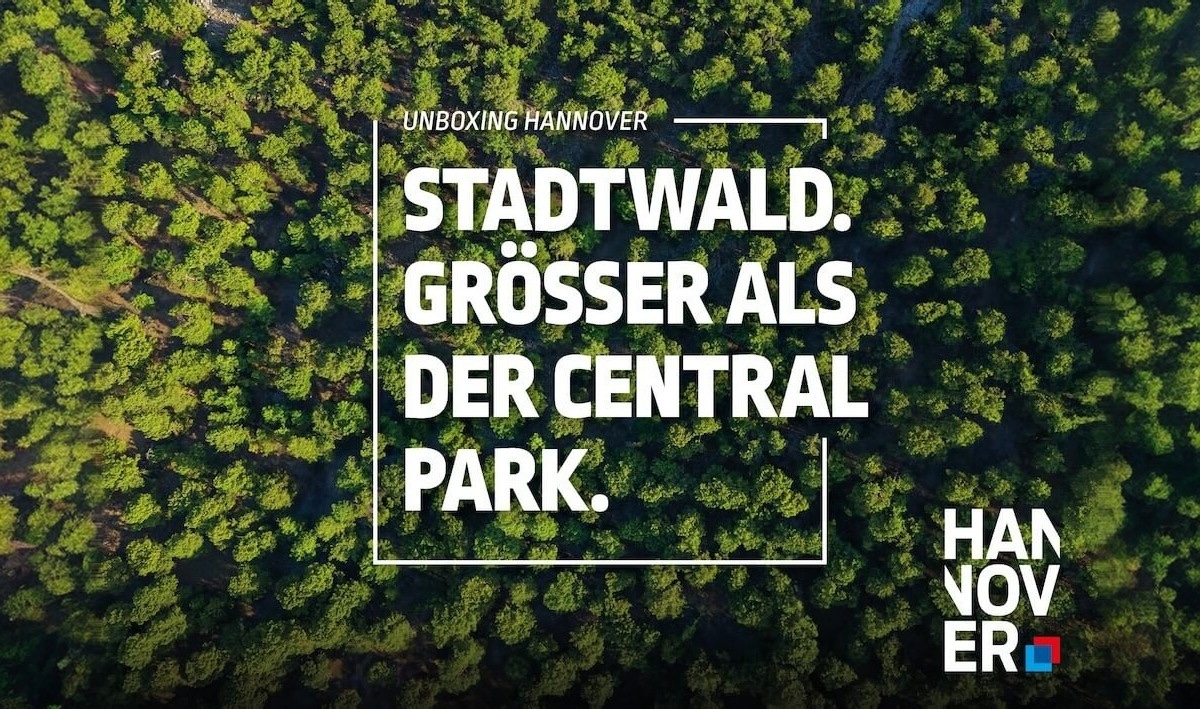
In the competition between cities, it's not just what a location can do, but how it feels. But how do cities combine hard and soft location factors to create a credible and holistic positioning as a location? Strategy expert Thorsten Kausch demonstrates this using the example of "Unboxing Hannover".

Children and young people are not onlookers to urban development, but creative makers of the city and its future. Find out more about the opportunities and formats of child and youth participation. Also interviewed: Lena Stelling, expert in political education and managing director of PLING Kollektiv.

Tom Hartung explains the phenomenon of cognitive dissonance as a challenge in people's decision-making - and presents a solution: nudging. City makers can use this method from behavioral psychology to motivate citizens to participate.

Laura Ebeling shows why destination management (DM) is the joint task of place marketing and destination marketing - and gives five concrete recommendations for action for integrated destination management.
Certificate Program: Specialist in Center and Area Management ➔ Learn more now
Certificate Program: Specialist in Center and Area Management ➔ Learn more now